
Can hyperbaric oxygen help ME/CFS? What happened 17 years after my friend’s stroke
Sometimes more oxygen can help wake up what is still there.

A friend of mine with lingering symptoms of mental fatigue and low stress tolerance, who had a stroke nearly two decades ago, recently finished hyperbaric oxygen therapy (HBOT).
HBOT made it possible for him to experience significant improvement long after his injury took place. This inspired me to write an article about how and why HBOT can help people in neurological recovery and chronic conditions like ME/CFS.
The basics of HBOT
Hyperbaric oxygen therapy means you breathe pure oxygen at a higher pressure than normal. This enables more oxygen to saturate the body tissues and replenish oxygen in hard-to-reach and oxygen-deprived places.
To accomplish this, you spend time in a hyperbaric chamber while breathing pure oxygen.
How this affects the body in a nutshell
The increase in pressure and oxygen helps to:
Reduce inflammation
Repair injury to tissues and cells
Stimulate stem cell production
Improve energy-metabolism
Turn on and off genes that are helpful for recovery
The effects of HBOT are systemic, meaning they take place in the whole body, including the brain and nervous system.
Finding the right dose and frequency
HBOT is a very potent therapy, and it requires:
The right dose (the pressure and amount of oxygen delivered per session)
The right frequency of treatment sessions (including time for rest)
Doing too little, the therapy may not create lasting effects, because it takes a bit of time for repeated HBOT sessions to take hold. Think of it like exercising too little and expecting to improve endurance and muscle strength.
Also, if you do too much treatment, you will eventually feel worse. Think of it like exercising too much without enough recovery.
As an example, for sensitive individuals, like people with ME/CFS, finding the right dose and frequency is very important to avoid Post-Exertional Malaise (PEM).
Why HBOT can be so helpful for ME/CFS
ME/CFS (Myalgic Encephalomyelitis/Chronic Fatigue Syndrome) is a complex condition where the body struggles with energy production, nervous system regulation, and recovery after exertion. Even small efforts can trigger what’s called post-exertional malaise (PEM) — a worsening of symptoms after activity.
There are many challenges in ME/CFS that HBOT can help address.
This includes:
Improving and restoring healthier microcirculation
Reducing neuroinflammation and positively altering the immune response
Calming the nervous system to be less reactive
Repairing cell membranes and improving mitochondrial dysfunction
All these positive changes help move the whole system from a state of “threat” towards “safety.” This is crucial for improving conditions like ME/CFS, where the body struggles to bounce back after an injury (infection, toxin, physical trauma, etc.) and “gets stuck”.
Idling neurons and why my friend could recover with HBOT 17 years after injury
It has been previously believed that after a stroke, the loss of function you experience means that brain cells have died and cannot be revived. The recovery of any neurological function was attributed to the brain's ability to rewire itself.
But recovery in some areas can be faster than what is physically possible for neurons to actually rewire. Interestingly, studies on chronic stroke patients — even many years after injury — have shown measurable improvements after appropriate HBOT treatment. This means brain plasticity is not the only reason. The other reason is the awakening of so-called idling neurons.
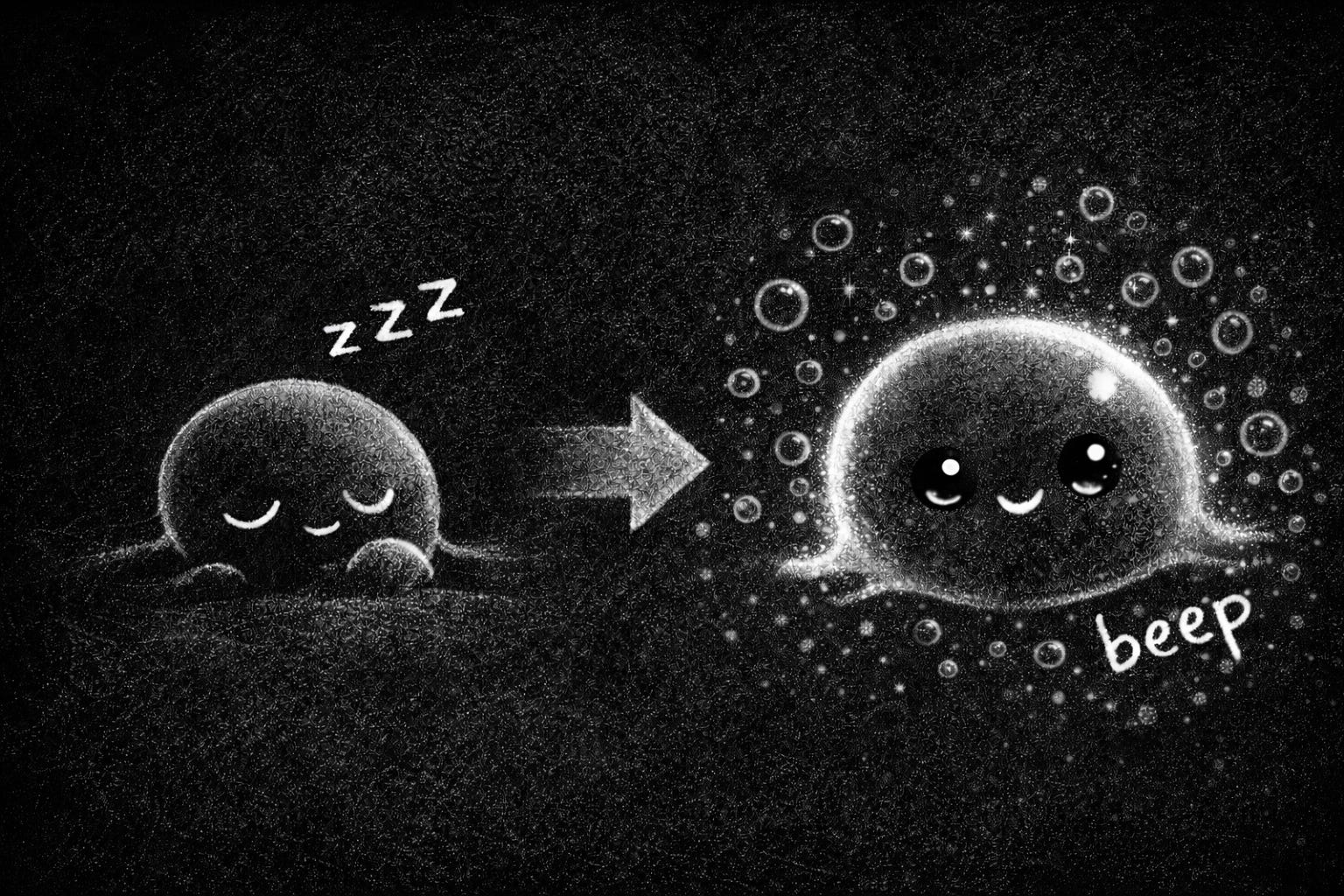
Idling neurons are like sleeping brain cells that are basically in standby mode after an injury. They hang out in the inflamed low-oxygen areas close to where the stroke took place. There, they have enough oxygen to stay alive, but not to “speak”.
If the idling neurons can get more oxygen, they can start to wake up. This can happen naturally, but for many neurons, they keep sleeping and stay in this “standby mode”.
When cells sleep and do not speak. Bathe them then in oxygen, and they may start to beep.
HBOT can help more neurons to wake up by bathing the tissues with more oxygen and reducing inflammation.
So, for my friend, those long-sleeping neurons got a proper chance to get back online.
His brain is now less sensitive to stress because inflammation has decreased, and oxygen supply is more stable, with more cells around to help do the work. More oxygen and more healthy cells mean he can now handle a higher energy demand.
What people often report from HBOT
From what I’ve seen — both personally and in others — HBOT can be surprisingly powerful when done properly.
I know many people report the following from HBOT:
Improved in Post Exertional Malaise (PEM) in conditions like ME/CFS
Better stress tolerance
More energy and reduced recovery time
Better sleep
Skin improvements
And much more…
Hoping HBOT will be more available in the future
Even longevity entrepreneur Bryan Johnson — who has done what many would consider “a bit too much,” including stem cell treatments on remote exotic islands — has said HBOT was one of the most potent things he’s done.
We are not all millionaires like Bryan, and HBOT is often very expensive and hard to access. But times are changing. Affordable soft hyperbaric chambers for home use are being made available. My friend didn't visit a fancy clinic but did the treatment at home.
The conventional healthcare system has been slow to adopt HBOT for many conditions, so most options outside of owning your own chamber are to visit private clinics or participate in scientific studies whenever available for your condition.
In the UK, there are around 60 private clinics driven by Multiple Sclerosis patients to make treatment accessible and affordable. Patients are taking the matter into their own hands.
I think it is quite amazing that, almost two decades post-injury, recovery was possible for my friend.
If you think HBOT could help you, I encourage you to keep exploring the subject and find out where you can get safe and affordable treatment tailored for your needs. If it’s not possible right now, it’s always a treatment option to be on the lookout for in the future.
In the meantime, be well.